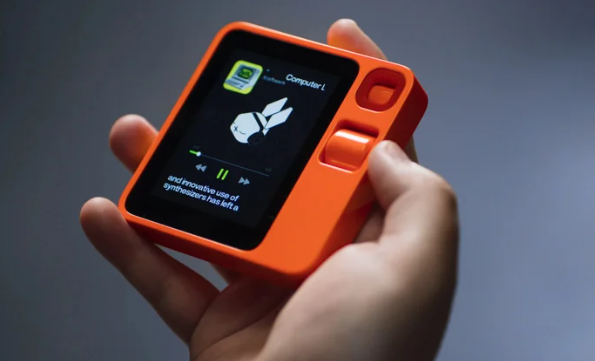
Artificial intelligence in wearable devices enables real-time interpretation of sensor data, supporting pattern recognition, anomaly detection, and personalized optimization. On-device inference favors low latency and privacy, while cloud analytics enable deeper models and longitudinal insights. Real-world deployments span health, fitness, and safety, but raise tradeoffs in privacy and power consumption. Robust validation, data governance, and privacy-by-design are essential. The interplay of interoperability and auditable ecosystems invites scrutiny, prompting further examination of smarter wearables as they evolve.
What AI Does for Wearables: Core Capabilities
Artificial intelligence enhances wearables by enabling real-time interpretation of sensory data, informed decision-making, and automated adaptation to user context. Core capabilities include pattern recognition, anomaly detection, and personalized optimization. These mechanisms balance responsiveness with reliability, supporting autonomous adjustments without user input.
Privacy concerns arise from data collection and transmission, while battery tradeoffs emerge from computational intensity and continual sensing demands for sustained usefulness.
See also: quikconsole
From Sensors to Insights: On-Device vs Cloud Processing
On-device and cloud processing represent complementary pathways for transforming sensory data into actionable insights in wearables. On-device inference leverages edge computation to reduce latency and enhance privacy, while cloud analytics enable complex models and longitudinal trend detection.
Trade-offs include bandwidth, energy use, and data control. A principled design balances local processing with secure, selective cloud access to preserve data privacy.
Real-World Use Cases: Health, Fitness, and Safety
Real-world wearable deployments span health monitoring, fitness optimization, and safety assurance, each leveraging sensors, algorithms, and user interfaces to translate physiological signals into actionable guidance.
These deployments reveal practical benefits and constraints, including privacy risks and data ownership considerations.
Analytically, they require robust validation, artifact handling, and transparent stewardship to balance autonomy with accountability, enabling user trust and informed adoption across populations.
Choosing AI-Ready Wearables: Brands, Platforms, and Privacy
Selecting AI-ready wearables requires a structured assessment of brand maturity, platform openness, and privacy safeguards, with emphasis on data governance, developer ecosystems, and interoperability.
The evaluation emphasizes privacy by design and robust interoperability, balancing battery life tradeoffs against model complexity.
Criteria include long-term support, transparent data handling, modular updates, and third-party auditability, guiding purchasers toward interoperable ecosystems without compromising autonomy or security.
Frequently Asked Questions
How Is User Data Anonymized in Wearable AI Systems?
Data minimization and anonymization techniques are applied, then aggregated or transformed; personal identifiers are stripped, and data access is restricted. User consent governs collection and sharing, with ongoing controls. Rigorous auditing ensures compliance, preserving freedom while protecting privacy.
Can Wearables Run Real-Time AI Without Any Latency?
Latency vs processing constraints generally prevent true zero-latency real-time AI in wearables; on-device AI minimizes delays, but some latency persists due to sensor throughput, power limits, and model size, necessitating optimization and edge-cloud collaboration when appropriate.
Do AI Wearables Learn From User Behavior Across Devices?
Yes, AI wearables can share learning models and maintain cross-device momentum, though effectiveness depends on privacy safeguards and synchronization protocols; learning models evolve with aggregated data, balancing personalization against data governance, latency, and user autonomy.
Are There Ethical Guidelines for AI in Wearables?
Ethics governance exists for AI in wearables, guiding development and deployment. Privacy by design is central, embedding safeguards from inception. The approach remains rigorous and analytical, appealing to freedom-seeking stakeholders while systematically evaluating risks, accountability, and compliance.
How Do Regulatory Standards Impact Wearable AI Features?
Regulatory compliance steers wearables with predictable discipline; standards impact feature design, testing, and data handling. A lone explorer’s compass—anecdote—reminds engineers that compliance guides risk, thresholds, and interoperability, shaping rigorous, freedom-seeking innovation within bounded, verifiable processes.
Conclusion
Artificial intelligence in wearables emerges as a disciplined bridge between data and action, converting raw signals into reliable, context-aware insights. On-device inference delivers immediacy while preserving privacy; cloud analytics offer depth and longitudinal patterns. The spectrum—from sensors to scalable ecosystems—requires rigorous validation, governance, and privacy-by-design to sustain trust. As wearables evolve, their efficacy rests on transparent architectures, interoperable standards, and auditable processes that balance responsiveness with reliability, unlocking durable, responsible intelligence in everyday life.